Table of Contents
- – The Hidden Cost of High-Functioning Anxiousness
- – Cara Kraft
- – Clinical Depression in High Achievers: When Su...
- – Perfectionism: The Catch That Looks Like Excel...
- – Codependency and Self-Esteem: The Achievement ...
- – Integrated Treatment Approaches for Intricate ...
- – Discovering the Right Therapeutic Support
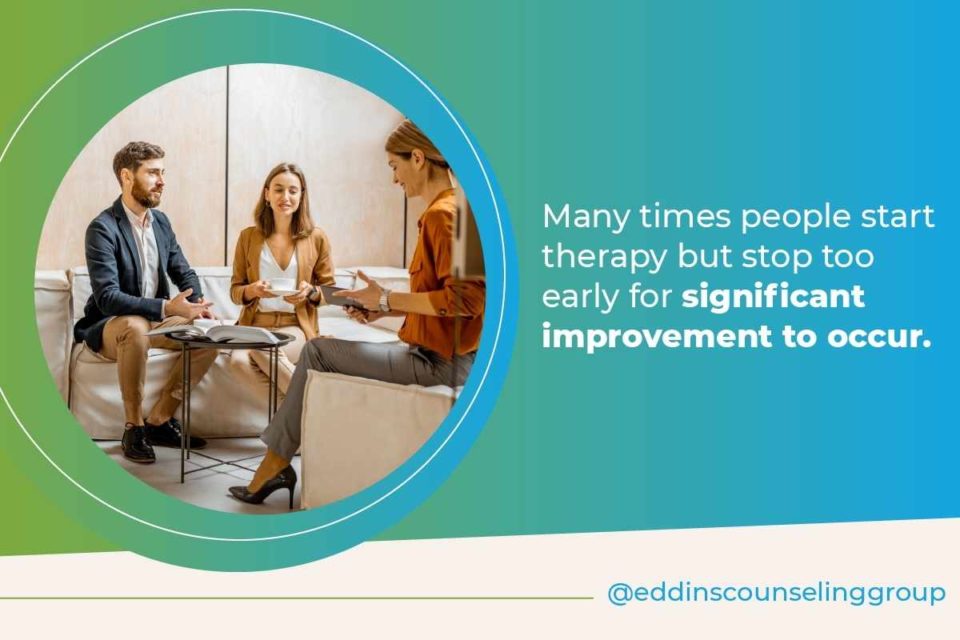
Success outside commonly masks struggles on the inside. High achievers frequently navigate professions, partnerships, and responsibilities while battling devastating anxiousness, clinical depression, and the laborious needs of perfectionism. When outside accomplishments fall short to silent interior objection, specialized treatment methods can aid break cycles that maintain driven individuals entraped between accomplishment and fulfillment.
The Hidden Cost of High-Functioning Anxiousness
High-functioning stress and anxiety offers a paradox that perplexes both patients and onlookers. From the outdoors, everything shows up in control-- target dates met, expectations went beyond, goals completed. Inside, nonetheless, a consistent stream of concern, self-doubt, and anxiety of failure drives every decision and action. This dissonance between public success and private suffering develops special restorative challenges that common anxiousness treatment typically misses.
Cara Kraft
Annie brings clear focus, depth, and genuine empathy to her work with over-achievers battling anxiety, depression, perfectionism and codependency. She creates a trusting online space where clients feel both supported and challenged to do the inner work. I highly recommend her to anyone seeking thoughtful, high-quality therapy.
Unlike anxiousness that impairs daily functioning, high-functioning anxiety frequently goes unrecognized because it produces outcomes. The overworked professional that can not quit inspecting e-mails, the parent that micromanages every information of domesticity, the pupil that stresses over assignments weeks beforehand-- all demonstrate "" functional"" habits that mask extensive psychological distress. Conventional treatment techniques may accidentally enhance these patterns by focusing solely on stress monitoring as opposed to addressing the deeper ideas driving the anxiety.
Efficient anxiousness therapy for high achievers acknowledges that the goal is not merely to minimize anxiousness sufficient to maintain productivity. Real healing calls for examining the core ideas concerning worth, security, and acceptability that make continuous aiming seem like survival instead of selection.
Clinical Depression in High Achievers: When Success Feels Empty
Clinical depression amongst high-functioning people usually manifests in different ways than timeless discussions. Instead than noticeable withdrawal or failure to function, high-achiever anxiety frequently looks like consistent emptiness despite achievements, inability to experience pleasure from successes, and a prevalent feeling that absolutely nothing is ever enough. This form of clinical depression can persist for several years prior to acknowledgment since outside markers of health mask internal depletion.
The separate between success and fulfillment produces extensive confusion. If success was supposed to bring joy, why does each landmark feel hollow? This concern haunts several high achievers that have arranged their entire lives around goals that fell short to supply guaranteed contentment. Clinical depression therapy that resolves this specific sensation needs to go beyond symptom monitoring to discover inquiries of identity, meaning, and authentic desire.
Several driven people discover through therapy that their depression originates from living according to internalized "" shoulds"" as opposed to real desires. Years of enhancing for others' approval, external recognition, or culturally suggested success markers leave little room for self-knowledge or genuine instructions. Clinical depression becomes the mind's protest versus this self-abandonment-- a signal that something basic calls for focus.
Self Esteem TherapyPerfectionism: The Catch That Looks Like Excellence
Perfectionism masquerades as a virtue in achievement-oriented cultures, however its mental truth varies drastically from healthy aiming. Where excellence entails setting high standards and sensation fulfillment from satisfying them, perfectionism develops difficult requirements combined with brutal self-criticism no matter outcomes. This difference confirms crucial in perfectionism therapy, where the objective is not to lower standards but to create healthier partnerships with achievement itself.
Nit-picker patterns typically develop as protective strategies throughout youth or adolescence. Maybe conditional love showed that errors suggested being rejected, or disorderly environments developed the idea that perfect control prevents disaster. Despite beginning, perfectionism operates the core assumption that flawlessness is both feasible and needed for security or approval. This impossible demand generates consistent anxiousness, shame cycles, and eventual exhaustion or depression.
Effective perfectionism therapy addresses these hidden ideas while helping clients compare adaptive high standards and maladaptive perfectionism. Healing techniques consist of:
- Recognizing and challenging cognitive distortions like all-or-nothing reasoning and catastrophizing
- Developing self-compassion practices that disrupt rough interior objection
- Try out calculated flaw to test catastrophic forecasts
- Exploring childhood origins of perfectionist beliefs and regreting unmet demands
- Building resistance for unpredictability and loss of control through finished exposure
- Reconnecting with inherent inspiration versus fear-based drivenness
The improvement from perfectionism to healthy and balanced accomplishment essentially shifts one's relationship with self-- from conditional acceptance based upon performance to integral worth independent of end results.
Codependency and Self-Esteem: The Achievement Trap
High up-and-comers often have problem with codependency patterns that oppose their skilled outside discussion. Codependency involves deriving self-regard mostly from others' demands, feelings, or opinions as opposed to interior recognition. For driven individuals, this frequently manifests as compulsive caretaking, difficulty establishing boundaries, and arranging life around others' convenience while neglecting personal demands.
The link in between codependency and high accomplishment runs much deeper than several identify. Both patterns can come from the same core injury-- the belief that integral well worth should be made via performance, usefulness, or conference others' assumptions. High up-and-comers may replace expert achievements for relational authorization, yet the underlying dynamic continues to be: worth depends upon exterior recognition instead of interior acceptance.
Codependency treatment for high-functioning people calls for dealing with several interconnected patterns. Customers discover to identify where their sense of self ends and others begin, identifying just how border dissolution drives both partnership disorder and expert overextension. Therapy checks out how saying yes to whatever and everyone unavoidably means saying no to self-- creating the bitterness, exhaustion, and identity confusion characteristic of codependency.
Self-worth therapy within this context concentrates on establishing interior recognition systems that do not require constant accomplishment or authorization. This verifies specifically testing for individuals whose whole identity has actually arranged around being "" the capable one,"" "" the fixer,"" or "" the high performer."" Discovering to derive worth from being instead than doing represents a basic identification change that needs perseverance, compassion, and continual healing assistance.
Integrated Treatment Approaches for Intricate Presentations
Anxiousness, depression, perfectionism, and codependency seldom exist alone amongst high achievers. These patterns generally interweave in complicated means that call for integrated restorative methods. A perfectionist might establish anxiousness regarding preserving difficult criteria, then experience anxiety when unavoidably failing. Codependent patterns may drive overachievement as a technique for securing partnerships, while simultaneously diminishing the emotional resources required for genuine connection.
Reliable treatment acknowledges these affiliations and addresses underlying themes that extend several signs and symptoms. Core issues often include concern of abandonment, shame concerning integral worth, problem with vulnerability, and disconnection from genuine self. Treatment techniques that verify specifically effective for high-achieving populations include cognitive-behavioral approaches for difficult distorted thinking, psychodynamic expedition of developing injuries, somatic methods for nerves law, and compassion-focused treatment for establishing self-kindness.
Providers specializing in high-achiever mental wellness, such as Everbe Therapy, understand that working with driven individuals calls for particular restorative attunement. These clients usually come close to treatment itself with efficiency anxiousness, concern about showing up weak, or expectations of quick results. Efficient specialists produce space for susceptability while valuing customers' need for framework, development metrics, and concrete tools-- conference high achievers where they are while slowly broadening capacity for self-compassion and process-oriented recovery.

Discovering the Right Therapeutic Support
Selecting a therapist for stress and anxiety, anxiety, and perfectionism in high-achieving people calls for consideration past general qualifications. The most efficient restorative partnerships for this populace consist of a number of key aspects:
- Recognizing of high-functioning discussions where distress exists together with skills
- Recognition that decreasing signs and symptoms is not enough if underlying worth injuries continue to be unaddressed
- Capacity to test accomplishment positioning without shaming drive or ambition
- Experience with the certain struggles of professionals, business owners, or persistent overachievers
- Assimilation of evidence-based techniques with relationally attuned, thoughtful presence
- Determination to address cultural and systemic factors that award perfectionism and self-neglect
The trip from high-functioning suffering to genuine health calls for greater than signs and symptom management. It demands fundamental changes in exactly how we specify success, procedure well worth, and associate with ourselves. With specialized restorative support, high achievers can find that real excellence arises not from fear-driven excellence yet from genuine involvement with job, connections, and life itself-- imperfections and all.

Table of Contents
- – The Hidden Cost of High-Functioning Anxiousness
- – Cara Kraft
- – Clinical Depression in High Achievers: When Su...
- – Perfectionism: The Catch That Looks Like Excel...
- – Codependency and Self-Esteem: The Achievement ...
- – Integrated Treatment Approaches for Intricate ...
- – Discovering the Right Therapeutic Support
Latest Posts
Clearing Up EMDR Intensives Confusion in Midtown Manhattan
Why Holistic Processing is Key in Food Relationship Healing Following Trauma
How Affirming Trauma Supports Deep Transformation
Navigation
Latest Posts
Clearing Up EMDR Intensives Confusion in Midtown Manhattan
Why Holistic Processing is Key in Food Relationship Healing Following Trauma
How Affirming Trauma Supports Deep Transformation