Table of Contents
Deepness treatment is a healing practice based upon the work of Swiss psychoanalyst Carl G. Jung. Depth therapy is founded on the belief that most psychological wellness concerns are brought on by subconscious motivations and that exposing and exploring these motivations is the crucial to healing. There are numerous various approaches that fall under the umbrella of deepness therapy, one unifying objective of specialists who specialize in deepness therapy is to integrate the subconscious mind with the conscious.
Psychology is developed around the research of the human mind, which lots of noticeable psycho therapists have actually believed to be influenced by the unconscious. Deepness psychology is a branch of psychology that digs right into the unconscious elements of the human mind to understand the underlying inspirations and feelings that drive habits. The unconscious mind is a vital component of depth psychology.
Depth psychologists commonly see the human subconscious as both aware and unconscious, and psychoanalysis is usually their major psychotherapeutic strategy. There is an idea that discovering subconscious pressures can be intrinsically recovery.
Innovations in Image Transformation therapy in Dalkey, Ireland

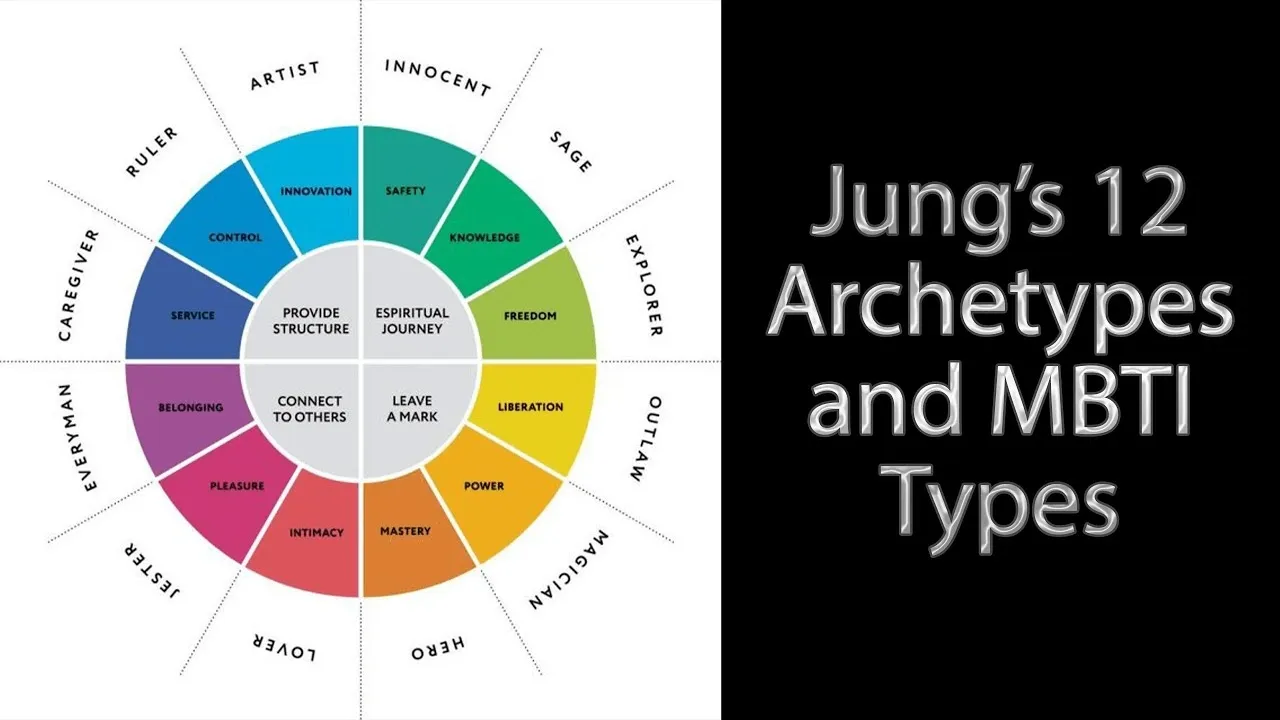
As component of his job, Jung counted on a deeper cumulative subconscious and depictive archetypes. The collective subconscious, according to Jung's depth emotional perspective, aids describe our disposition towards myth-making and dreaming. Underlying this combination is the idea that the human mind is partly conscious and partially subconscious, keeping experiences and worries that may have been repressed, in addition to cumulative and stereotypical forces.
Your therapist can use assistance as you make adjustments in how you react and can assist you with considerably tough scenarios. Deepness pyschotherapy is fit to individuals that wish to attend to ingrained emotional and psychological obstacles, as well as injury. Also, there may be habits that you proceed to duplicate even though they are harming to you.
Understanding When to Consider Ego-State Therapy
You might require to be inspired and individual throughout the procedure, but it could help you find a lot more regarding on your own through an exploration of your subconscious thoughts. This procedure might aid with any life challenges you are dealing with and aid you relocate ahead with better understanding. Take the very first step toward finding out more about deepness psychology and get to out to BetterHelp today.
Bleuler was the supervisor of the Burghlzli Asylum in Zrich, where Carl Jung began his occupation. Experts like Sigmund Freud, Alfred Adler, and Otto Rank contributed to the growth of this field. Nevertheless, this field is most carefully related to Jung's work. The strategies of this very first wave of psychology look for to exceed behavioral and cognitive processes to the subconscious motivating factors underneath them (thus the term "deepness").
By bringing the unconscious material of the private to consciousnessboth personal and collectiveone moves from fragmentation and "one-sidedness" toward wholeness. Jung believed that we were all looking for the very same point: the soul. From his view (and direct experience), one needs to embrace one's internal worldexploring one's desires and imaginationto at some point reach a stage of integrity where one's soul is realized.
Trauma-Informed Approaches in Mental Health Work in Dalkey, Ireland
With each other, they represent opposing forcesyin and yang. For this reason, the professionals of depth psychology needed to establish a brand-new language for examining and interpreting symbols and new methods for interacting through images. Harmonizing the revers can be challenging, as it requires an alchemical process that inevitably brings about psychological combination.

To be familiar with one's shadowthe components of oneself that is removed and separated fromrequires consistently facing the vanity's identity. Depending on one's degree of interior resistance and will, this procedure can be challenging for lots of individuals. For this factor, experts like Jung (and scholars like Joseph Campbell) consider it a "brave act" to bridge the space in between the mindful and the subconscious.
As a matter of fact, Freud was brushing the more youthful Jung to be his follower. The two guys really did not see eye to eye. (Ultimately, their specialist connection ended instead abruptly.) Before their separation, Sigmund Freud called his area psychoanalysis, as in the study of psychotic and emotionally sick individuals. Jung suggested a different name for their arising field: psyche-analysis.
Jung saw their function as an evaluation of the human mind, spirit, and spirit. That is, Jung saw an extremely different image of the human condition than Freud. Freud viewed his individuals to be ill while he, as an expert, was not. Psychoanalysis, regrettably, set the tone for the next century of psychology, which generally concentrated on mental disorder.
What Affects Recovery in Trauma Processing
Jung thought that we are ALL fragmented and divided, and intentionally or not, we're all looking for our spirits. This search for one's soul is at the center of deepness psychology.
D. in psychology, you aren't most likely to communicate with Jungian theory except perhaps in a history course (where they show you that psychoanalysis was the "first wave"). The scholastic field of psychology is, as Jung would say, discriminatory. It's practically specifically focused on the conscious mind (what he called the reasoning function).
It makes sensemost people run totally within the mindful mind, the realm of the ego. Here, the ego is in charge and tries to regulate itself and its environment. Depth psychology, in contrast, requires us to engage with the subconscious domainto get in the frequently uncertain world of signs, images, and sensations.

Table of Contents
Latest Posts
Eating Disorders and OCD: Specialized Therapy for Professional Athletes, Professional Dancers, and Perfectionists
Comprehending Intergenerational Injury: A Path to Healing Through Somatic Treatment and EMDR
How Emotional Manipulation Results In Body Disconnection
Navigation
Latest Posts
Eating Disorders and OCD: Specialized Therapy for Professional Athletes, Professional Dancers, and Perfectionists
Comprehending Intergenerational Injury: A Path to Healing Through Somatic Treatment and EMDR
How Emotional Manipulation Results In Body Disconnection